
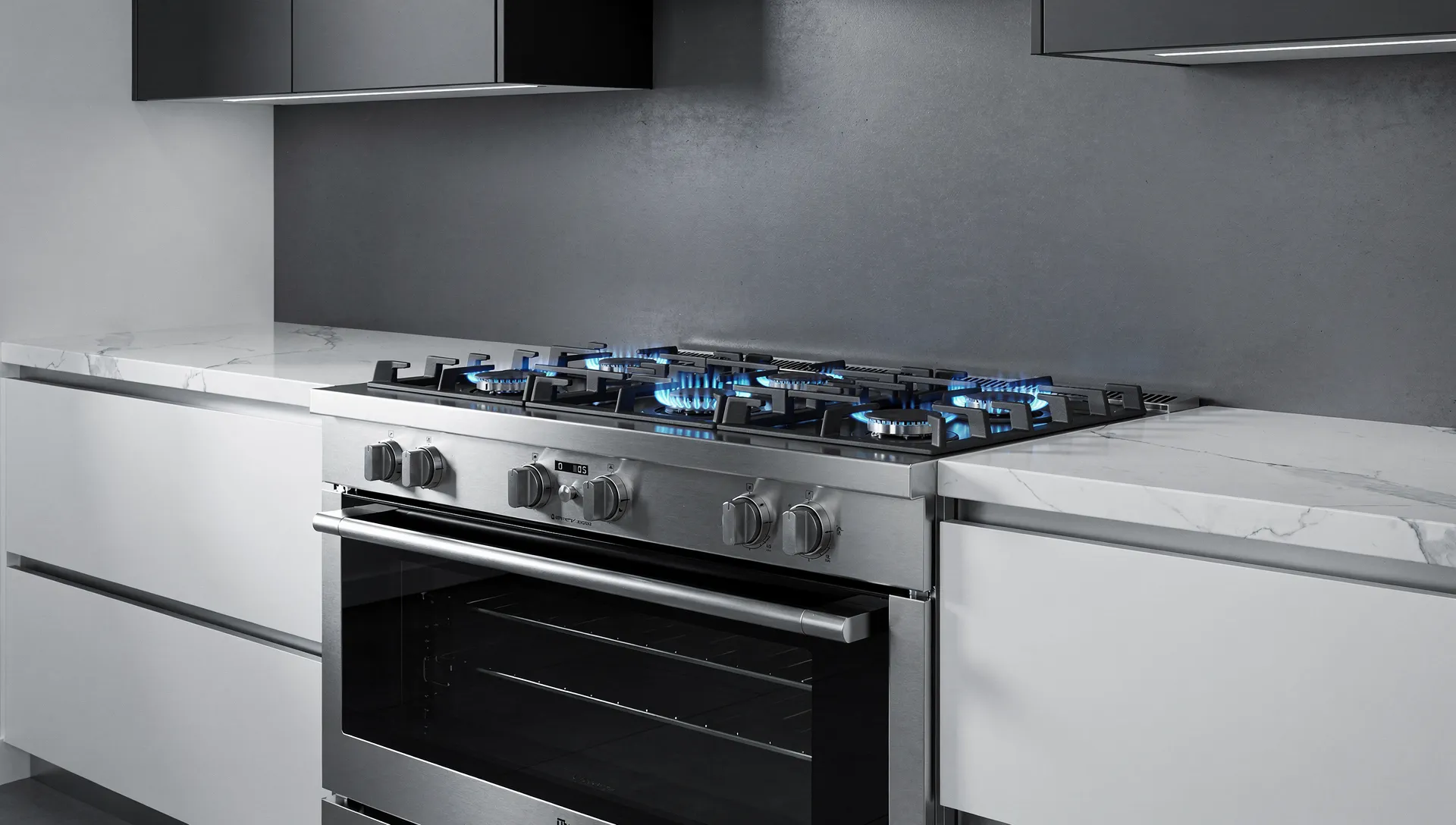
Ovens & Ranges
Your oven and range handle extreme heat daily. Regular maintenance keeps them cooking accurately, prevents safety hazards, and extends their life well beyond the average.
Common Issues
Oven Not Heating Evenly
A failing heating element, faulty temperature sensor, or miscalibrated thermostat can cause hot spots. Most ovens can be recalibrated through the settings menu.
Gas Burner Won't Ignite
Clogged burner ports, a dirty igniter, or a misaligned burner cap are the usual causes. Clean the ports with a toothpick and realign the cap.
Self-Clean Cycle Problems
The self-clean cycle runs at extremely high temperatures. A faulty door latch or failed thermal fuse can prevent it from working. Don't force the door open during or after a cycle.
Oven Door Won't Close Properly
Worn hinges or a damaged gasket allows heat to escape, causing uneven cooking and higher energy use. Hinges are usually replaceable.
Electric Burner Not Working
A burned-out element, faulty receptacle, or broken switch. Try swapping elements between burners to isolate the problem.
Maintenance Tips
Clean Burner Grates and Ports
Remove grates and soak in warm soapy water monthly. Use a toothpick to clear clogged burner ports for even flame distribution.
Check the Oven Gasket
Inspect the rubber seal around the oven door for cracks or gaps. A worn gasket wastes energy and causes uneven cooking.
Calibrate Oven Temperature
Use an oven thermometer to check accuracy. Most ovens allow calibration through the settings menu — the dial or digital display may be off by 25°F or more.
Clean Spills Immediately
Baked-on food creates smoke, odors, and can damage the oven interior. Wipe spills when cool to prevent buildup.
Inspect Gas Connections
If you smell gas, check connections for leaks using soapy water (look for bubbles). Call a professional if you find a leak.
Warning Signs — When to Call a Pro
If you notice any of these, it may be time for professional help.
Need expert help right now?
Get a live video diagnostic with a real technician. Know exactly what's wrong for just $79.
Related Articles
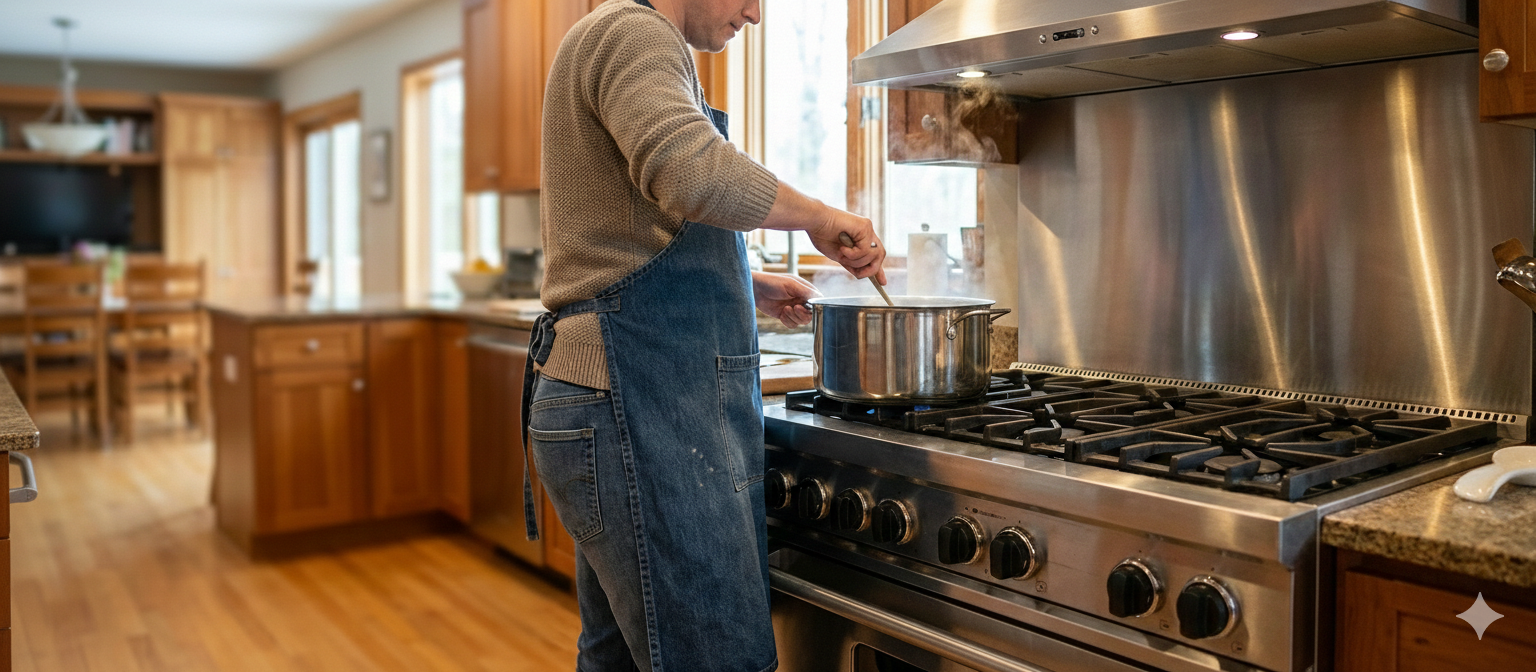
Is Your Kitchen Is More Polluted Than a Highway — Here's the Fix
Gas stoves emit nitrogen dioxide, benzene, and carbon monoxide linked to asthma and cancer. A ducted range hood venting outdoors is the most effective protection. Hoods over 400 CFM typically require a makeup air system to prevent backdrafting. Learn how to size, install, and optimize your kitchen ventilation.
February 10, 2026
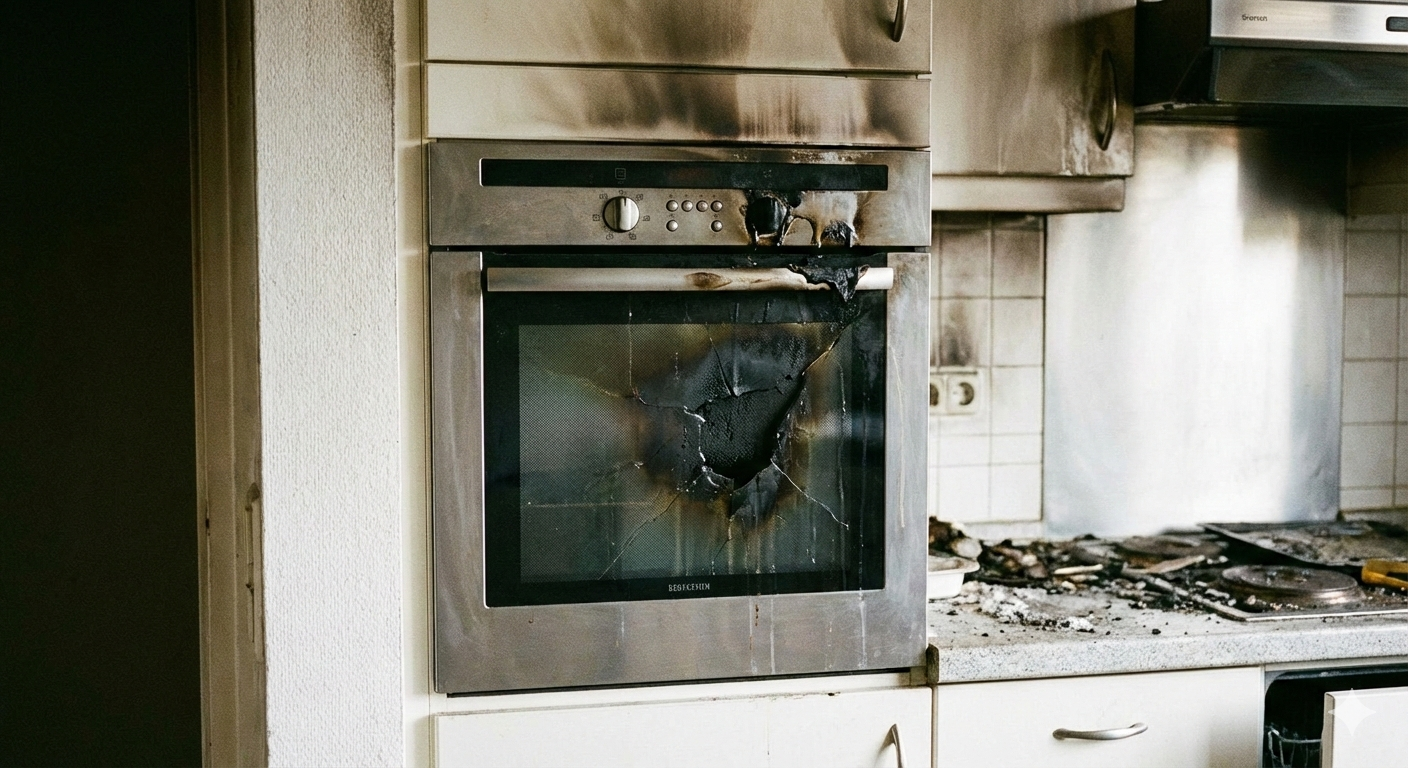
Is Self-Cleaning Destroying Your Oven? Risks, Stats & Safe Practices
Self-cleaning ovens can damage thermostats, heating elements, and seals with extreme 800-1000°F temperatures-but failures occur in only 1% of cycles. Use the feature sparingly, remove racks, ventilate well, and avoid running it before major cooking events to minimize risk.
January 30, 2026
Keep Your Ovens & Ranges Running Strong
Get the complete maintenance system with The Appliance Survival Kit — checklists, schedules, and expert guidance for every appliance in your home.