
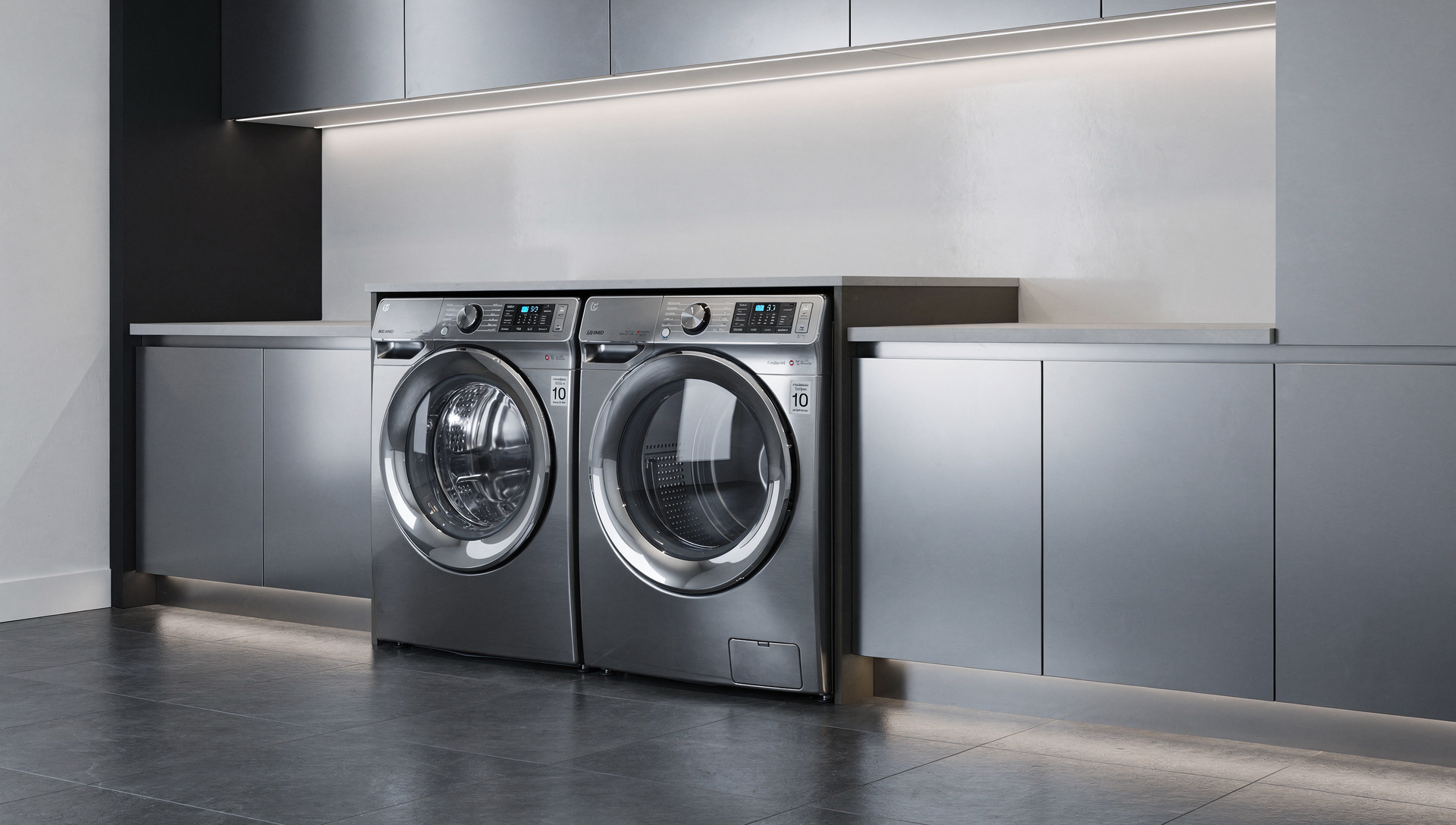
This guide compares four dryer types—electric, gas, heat pump, and condenser—covering installation requirements, energy efficiency, drying speeds, and costs. Learn which dryer suits your home's infrastructure, budget, and laundry habits with clear pros and cons for each technology.
The Complete Dryer Buying Guide: How to Choose the Right Dryer for Your Home**
Purchasing a new dryer is a significant investment that affects your daily routine, energy bills, and laundry results for years to come. With so many options on the market-from traditional electric dryers to energy-efficient heat pump models-finding the right fit can feel overwhelming. This guide breaks down everything you need to know about dryer types, their pros and cons, and how to choose the best dryer for your household.
Understanding the Four Main Types of Dryers
Before diving into specifications and features, it's essential to understand the fundamental differences between dryer technologies. Each type operates differently, comes with unique installation requirements, and offers distinct advantages depending on your living situation.
Electric Dryers
Electric dryers are the most common type found in homes across North America. They use an electric heating element to warm air, which is then circulated through the tumbling drum to evaporate moisture from your clothes. The humid air is vented outside through a duct system.
Pros of Electric Dryers:
- Lower upfront cost compared to gas models
- Easier and less expensive to install (only requires a 240-volt outlet)
- Widely available in numerous styles and capacities
- No gas line or combustion concerns
- Generally safer with no open flame or gas leak risks
Cons of Electric Dryers:
- Higher operating costs over time due to electricity prices
- Typically slower drying times than gas dryers
- Requires dedicated 240-volt circuit
- Less energy-efficient than heat pump models
Best for: Homeowners and renters without existing gas hookups, those prioritizing lower upfront costs, and anyone seeking straightforward installation.
Gas Dryers
Gas dryers use natural gas or propane to fuel a burner that heats the air inside the drum. Like electric vented dryers, they expel moist air through an external vent. Gas dryers heat up faster and typically run hotter than their electric counterparts.
Pros of Gas Dryers:
- Lower operating costs in areas where natural gas is cheaper than electricity
- Faster drying times due to higher heat output
- Clothes often feel softer due to the moisture in gas heat
- More energy-efficient than standard electric dryers
- Better performance for large loads and heavy fabrics
Cons of Gas Dryers:
- Higher purchase price (typically $50-$150 more than comparable electric models)
- Requires professional installation and existing gas line
- Annual maintenance recommended for gas connections
- Not available in all rental properties or apartments
- Small risk of gas leaks if improperly maintained
Best for: Households with existing gas hookups, families with heavy laundry demands, and those looking to minimize long-term operating costs.
Heat Pump Dryers
Heat pump dryers represent the latest advancement in clothes drying technology. Rather than generating heat and venting it outside, these dryers use a closed-loop heat exchange system-similar to an air conditioner running in reverse. They extract moisture from clothes, condense it into water, and recycle the warm air back into the drum.
Pros of Heat Pump Dryers:
- Exceptional energy efficiency (use 40-50% less energy than conventional dryers)
- No external venting required-can be installed almost anywhere
- Gentler on fabrics due to lower operating temperatures
- Environmentally friendly with reduced carbon footprint
- Lower humidity output into your home
- Qualifies for energy rebates in many areas
Cons of Heat Pump Dryers:
- Significantly higher upfront cost
- Longer drying cycles (sometimes 30-50% longer)
- Requires regular cleaning of lint filters and condenser
- May not perform as well in very cold environments
- Limited availability compared to traditional models
Best for: Eco-conscious consumers, apartment dwellers without venting options, those with delicate fabrics, and homeowners willing to invest upfront for long-term savings.
Condenser Dryers
Condenser dryers (also called ventless condenser dryers) work by heating air and passing it through the wet laundry. Instead of venting the moist air outside, they cool it in a heat exchanger, causing the moisture to condense into water. This water collects in a reservoir that you empty after each cycle, or it drains directly into your plumbing.
Pros of Condenser Dryers:
- No external venting required-flexible installation options
- Good option for apartments, closets, or interior rooms
- Moderate price point between standard and heat pump models
- Simpler technology than heat pump dryers
- Works well in moderate climates
Cons of Condenser Dryers:
- Less energy-efficient than heat pump dryers
- Requires emptying the water reservoir regularly (unless plumbed)
- Can increase humidity and temperature in the room during operation
- Longer cycle times than vented dryers
- Higher operating costs than heat pump models
Best for: Renters or homeowners without external venting options who want a more affordable alternative to heat pump technology.
Key Factors to Consider When Buying a Dryer
1. Your Home's Infrastructure
Before falling in love with a specific dryer, assess what your home can accommodate. Consider whether you have a 240-volt electrical outlet for an electric dryer, an existing gas line for a gas dryer, or external venting capability. Ventless options like heat pump and condenser dryers offer flexibility if traditional venting isn't possible.
2. Energy Efficiency and Operating Costs
Energy efficiency directly impacts your utility bills and environmental footprint. Look for the ENERGY STAR certification, which indicates the appliance meets strict efficiency guidelines. Heat pump dryers lead in efficiency, followed by gas dryers, with standard electric dryers typically consuming the most energy.
Calculate your potential savings by considering local utility rates. In regions with expensive electricity, a gas dryer or heat pump model may pay for itself over time despite the higher purchase price.
3. Capacity and Drum Size
Dryer capacity should match your washing machine's capacity to ensure efficient laundry cycles. Common sizes include compact models around 4 cubic feet for small spaces, standard models between 7 and 8 cubic feet for average households, and large-capacity models over 8 cubic feet for families with heavy laundry needs.
4. Drying Time Priorities
If speed matters to you, gas dryers and vented electric dryers deliver the fastest results. Heat pump and condenser dryers trade speed for efficiency-a worthwhile compromise for some, but potentially frustrating for busy households running multiple loads daily.
5. Fabric Care
Households with delicate fabrics, athletic wear, or expensive clothing may benefit from the gentler drying temperatures of heat pump dryers. The lower heat reduces wear on fibers and helps clothes last longer.
6. Budget Considerations
Your budget encompasses both purchase price and lifetime operating costs. A breakdown of typical costs helps illustrate the tradeoffs:
- Electric dryers: $400-$1,200 upfront; higher annual energy costs
- Gas dryers: $500-$1,400 upfront; lower annual energy costs where gas is affordable
- Condenser dryers: $700-$1,500 upfront; moderate energy costs
- Heat pump dryers: $900-$2,000+ upfront; lowest annual energy costs
7. Available Space
Measure your laundry area carefully before purchasing. Stackable units, compact models, and all-in-one washer-dryer combos offer solutions for tight spaces. Ventless dryers provide additional placement flexibility since they don't require proximity to an exterior wall.
How to Decide: Matching Dryer Type to Your Needs
Choose an electric dryer if:
- You don't have a gas hookup and don't want to install one
- Upfront cost is your primary concern
- You have standard venting capabilities
- Your household has moderate laundry needs
Choose a gas dryer if:
- You have an existing gas line or can easily install one
- You want faster drying times
- You're looking to reduce long-term operating costs
- You frequently dry heavy items like towels and bedding
Choose a heat pump dryer if:
- Energy efficiency is a top priority
- You lack external venting options
- You're willing to invest more upfront for long-term savings
- You have delicate fabrics that benefit from lower heat
- Environmental impact matters to you
Choose a condenser dryer if:
- You need ventless operation but want a lower price than heat pump models
- You're renting and can't modify the space
- You have a moderate budget and flexible time for longer cycles
- You live in a mild climate where efficiency concerns are less pressing
Final Thoughts
The right dryer balances your household's laundry demands, budget, installation constraints, and efficiency priorities. Electric dryers remain a reliable and affordable choice for most homes, while gas dryers offer performance advantages for those with existing hookups. For maximum efficiency and installation flexibility, heat pump dryers lead the pack-though they require patience with longer cycle times. Condenser dryers bridge the gap for those needing ventless convenience without the premium price tag.
Take time to evaluate your specific situation, read reviews of models within your chosen category, and consider visiting an appliance showroom to see your options firsthand. With the right information, you'll find a dryer that keeps your clothes fresh, your energy bills manageable, and your household running smoothly for years to come.
Want to catch appliance problems early?
Get The Appliance Survival Kit — a simple system to spot issues before they become emergencies.
Learn More — $27