
Articles in This Guide
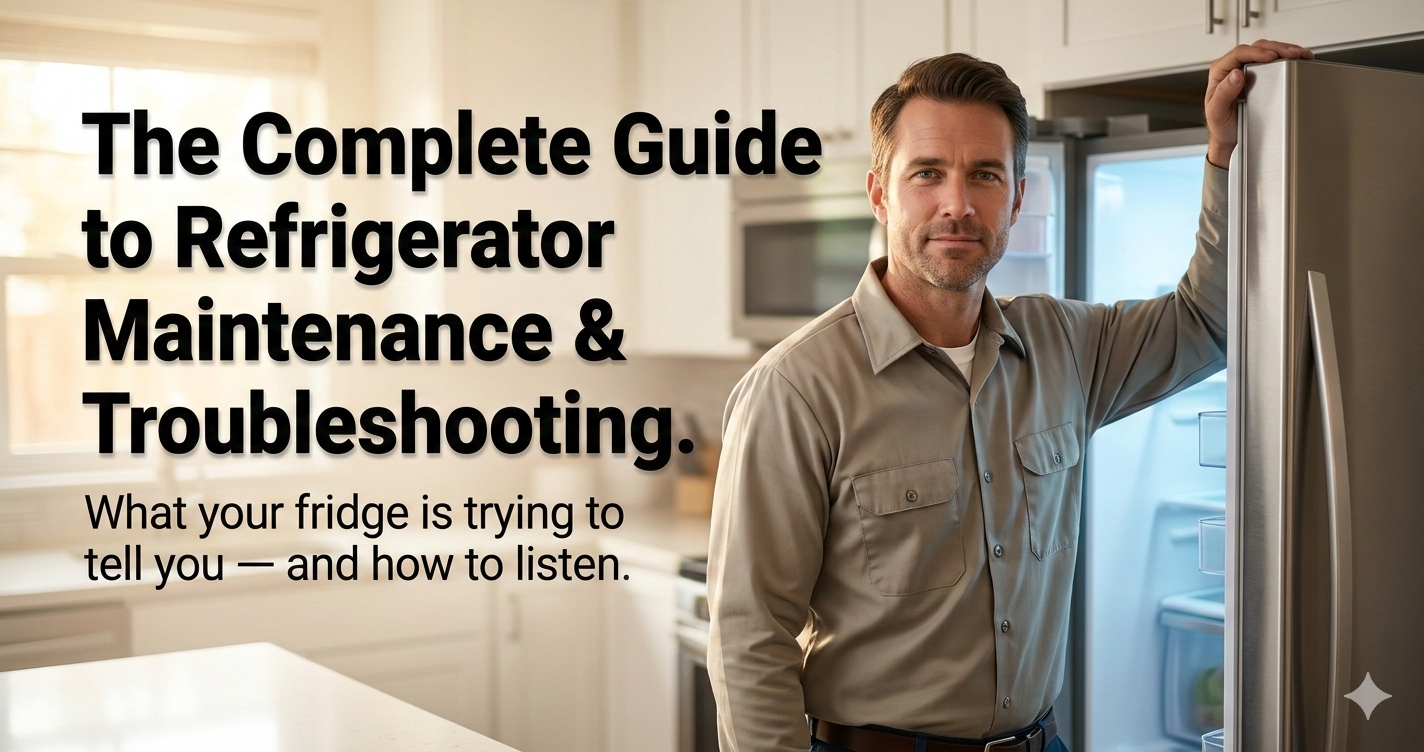
The Complete Guide to Refrigerator Maintenance & Troubleshooting
After years of servicing appliances, I've walked into hundreds of kitchens where the same story plays out. A homeowner opens the refrigerator one morning, notices the milk feels warm, and realizes something has gone very wrong - sometimes with $400 or more in groceries hanging in the balance.
The thing is, that moment almost never comes out of nowhere. In most of the homes I've worked in, there were signs weeks or even months before the failure. A sound that changed. A frost pattern that didn't look right. A door that wasn't sealing quite the way it used to.
This guide is built around a simple idea: if you know what to pay attention to, you can catch most refrigerator problems long before they turn into emergencies. You don't need to become a technician. You just need to understand what your refrigerator is trying to tell you.
We're going to walk through why refrigerators fail, what the early warning signs look like, how to keep yours running well, and - maybe most importantly - how to know when it's time to stop watching and start investigating.
Why Refrigerators Fail
Every refrigerator will eventually wear out. That's not a scare tactic - it's just how mechanical systems work. But the speed at which yours wears out, and whether it fails gradually or catastrophically, depends on a handful of factors that most homeowners never think about.
Wear and Tear
Your refrigerator runs 24 hours a day, 365 days a year. No other appliance in your home works that hard. Compressors fatigue. Fan motors accumulate wear. Door seals lose their flexibility. Over time, the system has to work progressively harder to maintain the same temperature - and at some point, it can't keep up.
This is normal, and it doesn't mean your refrigerator is fragile. But it does mean that age is always a factor, and the older the unit, the more attention it deserves.
Maintenance Neglect
This is the one that gets most people. A refrigerator that's never maintained will fail years before one that gets even basic attention.
Dirty condenser coils are the most common offender. When those coils are coated in dust, pet hair, or kitchen grease, the refrigerator can't release heat efficiently. The compressor runs longer and hotter, and the entire system is under more stress than it was designed to handle. If you haven't cleaned your condenser coils recently, that's one of the simplest and most impactful things you can do - and it only takes about 10 minutes.
Old or clogged water filters are another one. They reduce water flow, affect ice production, and can allow contaminants into your water supply. Door gaskets that have hardened, cracked, or picked up debris stop sealing properly, and once the seal is compromised, the compressor has to pick up the slack.
Environmental Factors
Where your refrigerator lives matters more than most people realize. Summer heat alone can push a refrigerator past its limits, especially in kitchens that get a lot of direct sunlight or where the fridge sits next to a range or oven.
Garage refrigerators are particularly vulnerable. Wide temperature swings - scorching in the summer, near-freezing in the winter - create conditions most residential refrigerators weren't designed for. Humidity plays a role too, contributing to frost buildup and corrosion over time.
Installation Issues
A surprising number of problems I see in the field trace back to how the refrigerator was installed. A unit that isn't properly leveled may not drain correctly, and the doors may not seal the way they should. Inadequate clearance around the sides, top, or back restricts airflow and traps heat. And water line connections that weren't done carefully can develop slow leaks that go unnoticed until real damage is done.
These aren't dramatic failure points. They're slow-burn issues that compound over months and years, quietly shortening the life of the appliance.
Early Warning Signs
Refrigerators rarely fail without warning. In almost every service call I've been on where the unit had stopped working, the homeowner could think back and identify something they'd noticed earlier - a noise, a change in performance, a small puddle they kept wiping up.
The key is knowing which signals matter. Here's what to watch and listen for.
Sounds That Have Changed
Every refrigerator makes noise. The hum of the compressor, the whir of a fan, the occasional gurgle of refrigerant moving through the system - those are normal. What you're listening for are changes.
Clicking or buzzing that wasn't there before can indicate that something is struggling to start or run. A compressor that seems to run constantly, or one that cycles on and off more frequently than usual, is working harder than it should be. Knocking, grinding, or rattling can suggest a fan blade hitting something or a motor developing bearing wear. And if a sound you're used to hearing suddenly stops, that's worth paying attention to too.
The point isn't to diagnose the cause - it's to notice the change. A sound that's new, louder, or more frequent than it used to be is your refrigerator telling you something has shifted.
For a deeper look at specific refrigerator sounds and what they might indicate, see Strange Refrigerator Noises and What They Mean.
Temperature and Performance Shifts
This is the one people tend to feel first, even if they can't quite put their finger on it. Food seems to spoil a little faster. Leftovers don't stay fresh as long as they used to. Ice cream in the freezer is softer than expected, or items in the back of the freezer are developing freezer burn.
Other signs include inconsistent cooling - where some shelves feel colder than others - or a refrigerator that feels like it's "sweating," with condensation forming on the exterior. These patterns suggest the system is struggling to maintain stable temperatures, even if the display or thermometer still reads close to normal.
Frost and Moisture
Ice buildup on the back wall of the freezer is one of the most common early warnings I see. It often develops slowly, so homeowners get used to it and assume it's normal. It usually isn't.
Frost around the freezer door seal, water pooling at the bottom of the fresh food compartment, puddles forming underneath the unit, or excessive condensation inside the doors - all of these suggest that moisture isn't being managed the way it should be. Sometimes the cause is simple, sometimes it's not, but the pattern itself is always worth paying attention to.
Smells
A persistent odor that doesn't go away after cleaning can point to problems beyond old leftovers. Musty or stale smells sometimes come from a drain pan or drip tray that hasn't been cleaned, but they can also suggest mold growth in areas you can't easily see.
Burning or electrical smells are more urgent. If you ever notice a hot or acrid smell coming from your refrigerator, that's a sign something may be overheating, and it's worth investigating promptly.
Visual Cues
Take a look at your door gaskets. If they're cracked, warped, or pulling away from the door, they're likely not sealing properly. You can check this informally - close the door on a dollar bill and see if it slides out easily. If it does, the seal in that area may be compromised.
Check your water filter indicator if your model has one. An overdue filter isn't just a water quality issue - it can affect ice production and put strain on the water system. Rust or discoloration on the exterior or interior of the unit can also signal moisture problems that deserve a closer look.
Recognizing these warning signs is the first step. Understanding what they mean for your specific refrigerator is the next. The Survival Kit walks you through a guided inspection so you can identify hidden problems before they become emergencies.
Prevention Essentials
The good news about refrigerators is that a modest amount of regular attention goes a long way. You don't need to be handy, and you don't need special tools. Most of what keeps a refrigerator healthy comes down to awareness and a few simple habits.
Routine Checks
Get in the habit of doing a quick visual inspection once a month. It doesn't take long.
Run your hand along the door gaskets and check for cracks, gaps, or areas where the seal feels loose. Open and close the doors and pay attention to whether they close firmly on their own or need to be pushed. Listen to the refrigerator during a quiet moment - does it sound the way it always has?
After a power outage, check the temperature inside both the fresh food and freezer sections. A prolonged outage can push temps into an unsafe range, and it's important to know where things stand before trusting that food is still safe.
If you have an ice maker or water dispenser, check that they're working normally. Slow ice production or weak water flow can be early indicators of a filter or water line issue.
Cleaning
This is where the biggest maintenance gains are. Most of what shortens a refrigerator's life comes from things being dirty.
Condenser coils should be cleaned every 6 to 12 months. If you have pets, lean toward every 6 months - pet hair accumulates on coils quickly and significantly reduces their efficiency. This single task probably does more to extend refrigerator life than anything else a homeowner can do.
Door gaskets should be wiped down monthly with a damp cloth. Food debris, sticky residue, and grime prevent the gasket from sealing properly, and over time they can cause the rubber to break down.
The drain pan and drip tray - usually located underneath the unit behind the front grille - should be checked and cleaned a couple of times a year. Standing water in the drain pan can produce odors and attract mold.
And of course, keeping the interior clean is basic but important. Spills that aren't cleaned up can work their way into crevices and vents, creating odor problems and potentially interfering with airflow.
Usage Habits
How you use your refrigerator day-to-day has a real effect on how long it lasts.
Avoid overloading it. A packed refrigerator restricts airflow, which forces the system to work harder and can create uneven temperatures. On the flip side, a nearly empty refrigerator isn't ideal either - a reasonable amount of food helps maintain thermal mass, which means the unit recovers faster after door openings.
Let hot food cool down before putting it in the fridge. A hot container raises the internal temperature and makes the compressor kick in harder to compensate.
Be mindful of how long the doors stay open. Every second the door is open, cold air falls out and warm, humid air rushes in. The compressor then has to work to bring the temperature back down and manage the extra moisture. This isn't about being paranoid - just be aware of it.
Replace your water filter on the recommended schedule. Most manufacturers suggest every 6 months, though this can vary depending on usage and water quality. A clogged filter puts strain on the system and reduces water quality at the same time.
Seasonal Awareness
Your refrigerator's workload changes with the seasons, and it helps to be aware of that.
In the summer, higher ambient temperatures mean the compressor runs more frequently and for longer periods. If your kitchen gets hot, this is a good time to make sure condenser coils are clean and that the unit has adequate ventilation clearance.
In the winter, garage refrigerators can actually have the opposite problem. If the ambient temperature drops below a certain point, some models won't cool properly because the system assumes it doesn't need to run. If you keep a refrigerator in an unheated space, it's worth understanding how cold temperatures affect its operation.
After vacations or extended absences, do a quick check when you get home. Verify that temperatures are where they should be, check for any leaks or unusual frost buildup, and make sure the ice maker hasn't jammed or overflowed.
Keeping track of all this is easier with a system. The 52-Week Maintenance Checklist lays out a week-by-week schedule for every task your refrigerator needs - so nothing gets missed and nothing falls through the cracks.
Disaster Scenarios to Avoid
I'm not going to try to scare you. But I do think it's important to understand what's at stake when refrigerator problems go unaddressed, because the consequences are often more serious than people expect.
Catastrophic Food Loss
A full refrigerator failure can mean losing everything inside it. Depending on how well-stocked your fridge is, that's often $300 to $500 or more - not to mention the inconvenience.
But the more common scenario isn't a dramatic, sudden failure. It's a slow decline in cooling performance that causes food to spoil gradually. Dairy goes off a day sooner than expected. Produce wilts faster. Meat that should be fine for another day isn't. These are easy to write off individually, but they add up - both in wasted money and, in some cases, food safety risks.
Power outages compound the problem. If a refrigerator is already struggling to maintain temperature, even a brief outage can push it past the point where food is safe.
Water Damage
This is the one that surprises most homeowners. A leaking water line, a cracked drain pan, or a clogged defrost drain can send water onto your kitchen floor - and from there, into the subfloor, under cabinetry, and behind walls.
In homes I've serviced, some of the most expensive damage I've seen started with a small refrigerator leak that went unnoticed for weeks or months. Water damage repair costs - flooring, cabinets, mold remediation - can easily exceed the cost of a new refrigerator several times over.
The back of the refrigerator is the worst blind spot. Most people never look back there, and that's exactly where slow leaks tend to develop.
Compressor Burnout
The compressor is the heart of your refrigerator, and it's also the most expensive component to replace. In many cases, a compressor replacement costs enough that it makes more sense to replace the entire unit.
What most people don't realize is that compressor burnout is usually the end of a chain of events, not the beginning. Dirty coils, failing door seals, environmental heat, blocked vents - all of these force the compressor to work harder, run hotter, and cycle more frequently than it was designed to. Over time, that extra strain takes its toll.
Catching those upstream causes early is the most effective way to protect the compressor. By the time the compressor itself is struggling, you're often past the point of simple prevention.
Energy Waste
A refrigerator that's working harder than it should is also using more electricity than it should. The increase is usually gradual enough that you don't notice it on any single electric bill, but over months and years, it adds up.
Older units are already less efficient than newer models, and neglect accelerates the decline. Dirty coils, worn gaskets, and overstuffed compartments all increase energy consumption in ways that are invisible until you start looking at the numbers.
Understanding how these failures develop gives you a real advantage. The Refrigerator Deep Dive explains the progression of common failure patterns - what happens at each stage and what to watch for - so you can make informed decisions before things escalate.
When to Investigate Further
Everything above is about awareness. You're learning what to look for, what to listen for, and what habits keep your refrigerator running well. But there comes a point where awareness needs to become action.
Here's how to know when you've reached that point.
Repeated Warning Signs
A single symptom, once, isn't necessarily cause for alarm. Refrigerators are complex systems, and occasional oddities - a brief strange noise, a one-time frost pattern, a minor temperature fluctuation - can happen without signaling a real problem.
But when the same symptom shows up repeatedly, that changes things. A noise that keeps coming back. Frost that reforms after you've cleared it. Temperature inconsistencies that happen again and again. Patterns are the signal. They mean something in the system isn't right, and it's unlikely to correct itself.
Worsening Symptoms
Pay attention to trajectory. A noise that starts soft and gets louder over time. Cooling performance that slowly but steadily declines. A small puddle that becomes a bigger puddle.
Worsening symptoms mean the underlying issue is progressing. The longer it progresses, the more it costs to address - and the more likely it is to trigger one of the disaster scenarios above.
Age Thresholds
In my experience, most refrigerators hit a turning point somewhere in the range of 10 to 15 years. That doesn't mean yours will fail at 10 years or last until 15 - there's a wide range depending on the brand, model, usage, and maintenance history.
But age matters because it changes the math. A warning sign on a three-year-old refrigerator means something different than the same warning sign on a twelve-year-old unit. When age and symptoms show up together, the urgency increases.
This is where the repair-versus-replace question comes in, and it's one of the most important financial decisions you'll make around a major appliance. Getting that decision right requires understanding the full picture - the age of the unit, the nature of the problem, the cost of the repair, and the expected remaining lifespan. That's more than awareness alone can provide, but knowing that you're at that decision point is the first step.
After Major Events
Certain events should trigger a closer look regardless of whether you've noticed symptoms:
After a power outage or electrical surge, check temperatures and listen for normal operation. Electrical events can stress components in ways that don't show up immediately.
After a move or reinstallation, verify that the unit is level, that the water line is secure, and that there's adequate clearance for airflow. Problems introduced during installation can take weeks or months to manifest.
And if you've noticed the early stages of any of the disaster scenarios described above - food spoiling faster, water appearing where it shouldn't, energy costs creeping up - that's your cue to move from watching to investigating.
Ready to take the next step? Here's where to go depending on what you're dealing with:
If you've noticed warning signs and want to check your refrigerator systematically - the Survival Kit walks you through a guided inspection designed to find hidden issues before they become costly.
If you want to understand how refrigerator failures develop - the Deep Dive explains common failure patterns in detail, so you know what's happening and what to expect next.
If you're trying to decide whether to repair or replace - the Playbook gives you a clear framework for making that call with confidence, including how to evaluate repair costs against the remaining life of your unit.
Keep This Guide Handy
Your refrigerator is probably the most important appliance in your home, and it's definitely the hardest-working one. The good news is that it doesn't ask for much in return - just a little attention, a little maintenance, and the willingness to listen when it tells you something isn't right.
Bookmark this page and come back to it when something feels off. And if you want to get ahead of problems before they start, the Survival Kit is the best place to begin.
Most refrigerator emergencies don't have to be emergencies. They just have to be caught early enough.
Related reading:
- How to Clean Refrigerator Coils in 10 Minutes
- Freezer Frost Buildup: What Causes It & How to Prevent It
- Is Summer Killing Your Refrigerator?
- Strange Refrigerator Noises and What They Mean
- Refrigerator Temperature Settings: What's Actually Optimal?
- How to Replace a Refrigerator Water Filter (and How Often)
- When to Repair vs. Replace Your Refrigerator
Related Articles in This Guide
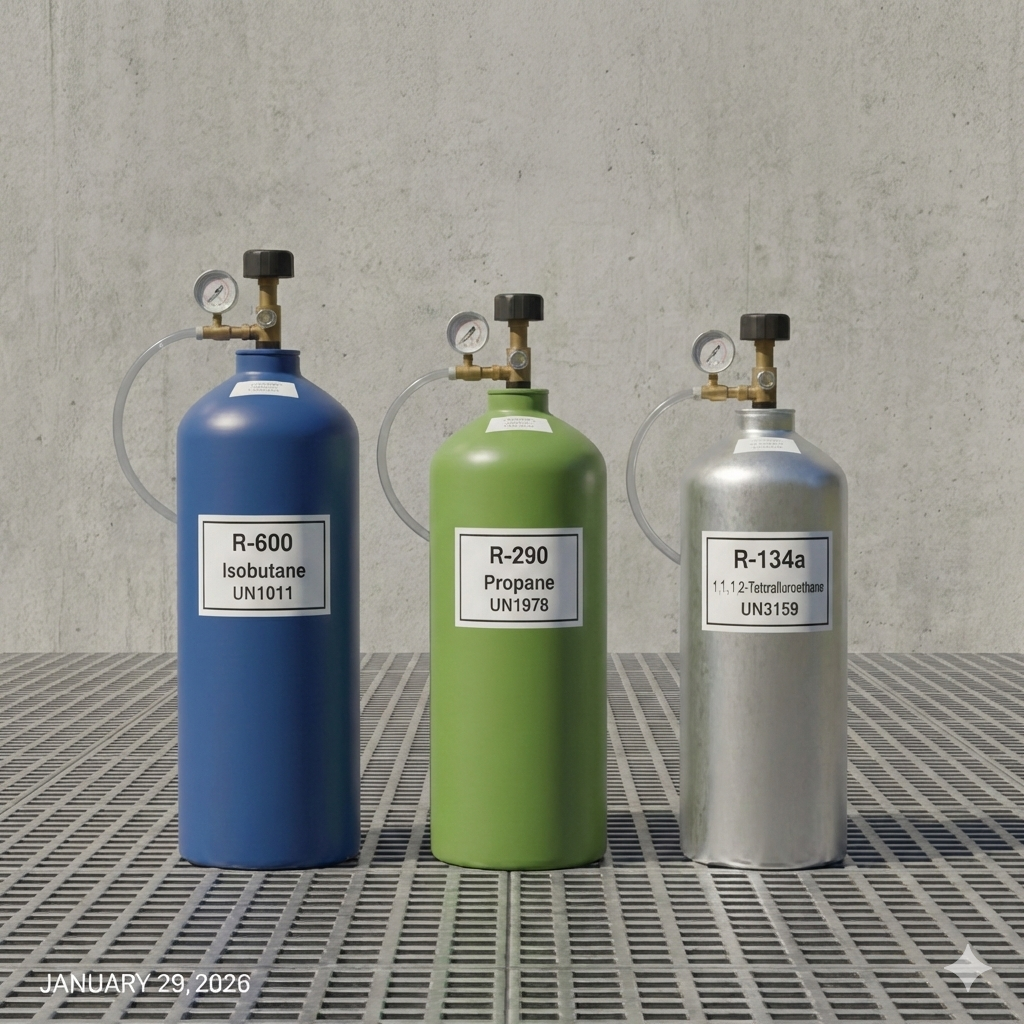
R600, R290, R134
Compare R600a, R290 & R134a refrigerants. Learn the pros, cons, efficiency & environmental impact of each to choose the right refrigerant for your appliance.

Is Summer Killing your Refrigerator
Learn how summer heat impacts your refrigerator. Discover why garage fridges and R600a units struggle in heat, plus how humidity affects defrost cycles.
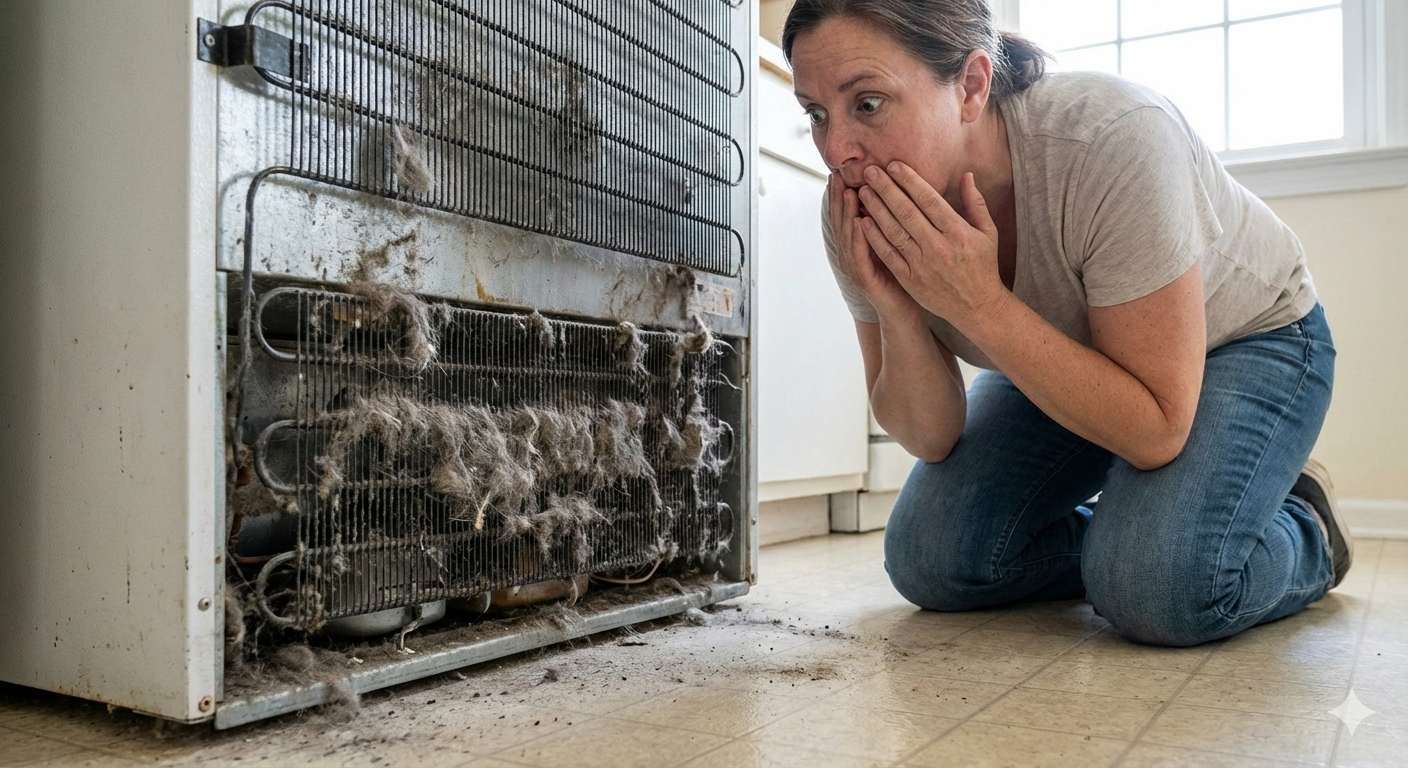
How to Clean Refrigerator Coils in 10 Minutes
Dirty refrigerator coils waste energy and shorten your fridge's lifespan. This guide walks you through cleaning them in about 10 minutes using a coil brush and vacuum. Learn where to find the coils, how to clean them safely, and how often to repeat the process.
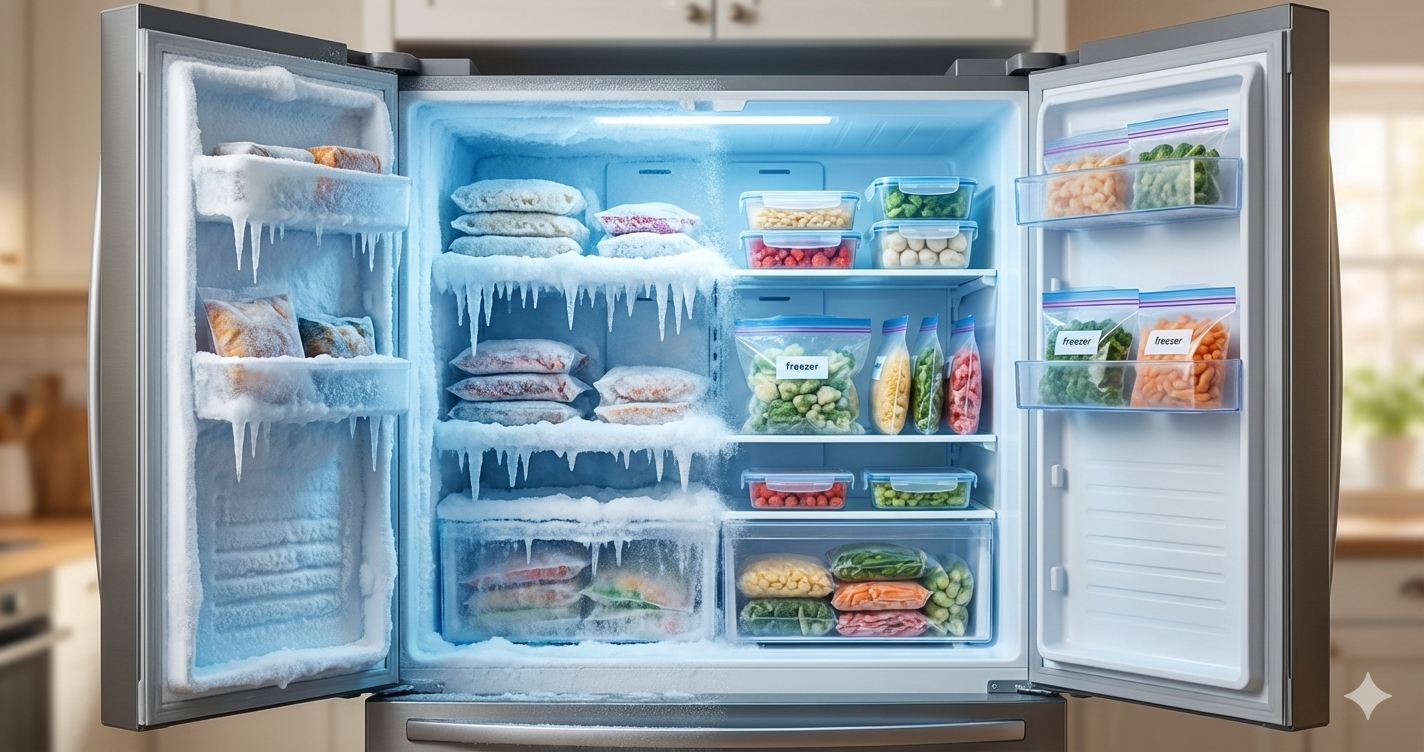
Freezer Frost Buildup: What Causes It & How to Prevent It
Freezer frost buildup happens when warm, moist air enters and freezes on interior surfaces. Common causes include worn door gaskets, frequent door opening, overpacking, and storing warm food. Prevention is simple: maintain seals, organize for airflow, cool food first, and use airtight packaging. Persistent frost may need professional repair.